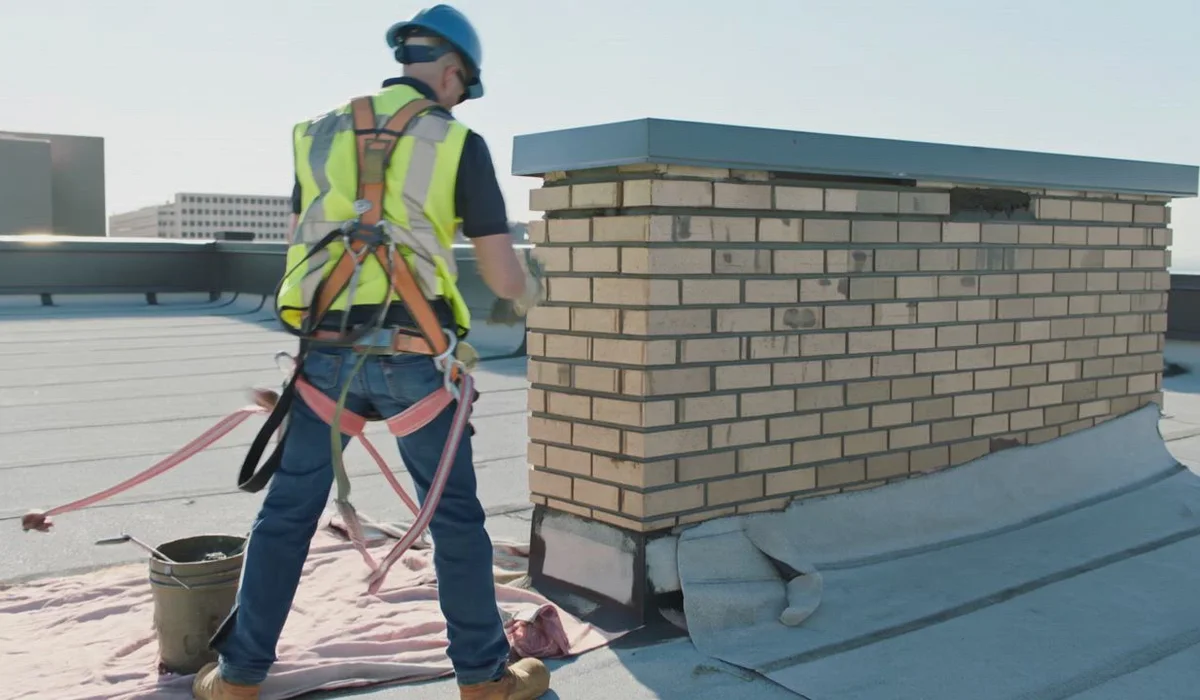
Liner decisions need system context before scope is selected
Commercial chimney liner work depends on the system being vented, visible flue condition, access, documentation needs, and whether the issue is isolated or part of a larger chimney problem.
Commercial chimney liner work cannot be treated as a one-size-fits-all repair. The flue may serve a fireplace, appliance, restaurant use, or older building system, and the surrounding chimney structure may also need attention.
Liner and Flue Concerns
Cracked, damaged, deteriorated, or missing liner sections
Moisture or staining that suggests water entry into the flue path
Obstruction, draft, odor, or performance concerns
Prior repairs that need review before continued use
System changes that require a fresh condition review
Commercial Coordination
Identify the property contact and access path
Confirm whether tenant spaces or mechanical areas are involved
Document visible conditions before selecting repair or relining
Separate liner concerns from masonry, crown, cap, or flashing issues
Written Recommendations
Commercial liner recommendations should be clear enough for the decision maker to understand what was observed, why it matters, and what needs to happen before the system continues in service or moves into repair.

System Type
Scope Driver
Inspection First
Decision Path
Written Notes
Property Records
Estimate Logic
What Changes a Liner Estimate
Commercial liner scope depends on system type, flue size, height, access, existing condition, and whether repair or relining is practical.
Number of flues, fireplaces, appliances, or connected systems
Flue size, height, offsets, and access limitations
Condition of the chimney structure surrounding the liner
Need for documentation before owner, manager, or board approval
What We Put in Writing
Scope
Clear explanation of the issue, the proposed repair, and the access needed before work begins.
Materials
Named materials and standards where they matter, including NFPA 211 inspection scope and ASTM C270 mortar matching.
Documentation
Estimate notes, approved scope, and maintenance guidance for the chimney or fireplace system.
The liner need depends on the system, condition, and applicable requirements. The condition should be reviewed before any repair or relining path is chosen.
Can liner issues be part of a larger chimney repair?
Yes. Liner concerns can overlap with masonry deterioration, water entry, crown failure, or system-use changes.
Do you document liner recommendations?
Yes. Commercial requests should receive written notes that explain the observed concern and recommended next step.
Commercial Chimney Liner Service Areas
We provide professional commercial chimney liner service across the Chicagoland communities listed below.
Addison, IL
Antioch, IL
Arlington Heights, IL
Aurora, IL
Barrington, IL
Barrington Hills, IL
Bartlett, IL
Batavia, IL
Berwyn, IL
Brookfield, IL
Buffalo Grove, IL
Carol Stream, IL
Chicago, IL
Cicero, IL
Deerfield, IL
Des Plaines, IL
Downers Grove, IL
Elk Grove Village, IL
Elmhurst, IL
Evanston, IL
Forest Park, IL
Geneva, IL
Glen Ellyn, IL
Glencoe, IL
Glenview, IL
Grayslake, IL
Gurnee, IL
Hanover Park, IL
Highland Park, IL
Highwood, IL
Hinsdale, IL
Hoffman Estates, IL
Inverness, IL
Kenilworth, IL
La Grange, IL
Lake Bluff, IL
Lake Forest, IL
Lake Villa, IL
Libertyville, IL
Lincolnwood, IL
Lombard, IL
Long Grove, IL
Morton Grove, IL
Mount Prospect, IL
Mundelein, IL
Naperville, IL
Niles, IL
Norridge, IL
North Chicago, IL
Northbrook, IL
Northfield, IL
Oak Brook, IL
Oak Park, IL
Palatine, IL
Park Ridge, IL
River Forest, IL
Riverside, IL
Rolling Meadows, IL
Roselle, IL
Round Lake, IL
Schaumburg, IL
Skokie, IL
St. Charles, IL
Streamwood, IL
Vernon Hills, IL
Waukegan, IL
Western Springs, IL
Wheaton, IL
Wilmette, IL
Winnetka, IL
Need Commercial Chimney Liner Review?
Request a liner and flue condition review before choosing repair, relining, or further evaluation.