Call Now Request Quote

Chicagoland chimney and fireplace service

Chimney Flashing Repair

Roof-chimney junction leaks traced to step flashing, counter flashing, sealant, or cricket conditions before repair scope is set.

Step Flashing Roof Integration
Counter Flashing Masonry Tie-In
Written Scope Estimate Standard
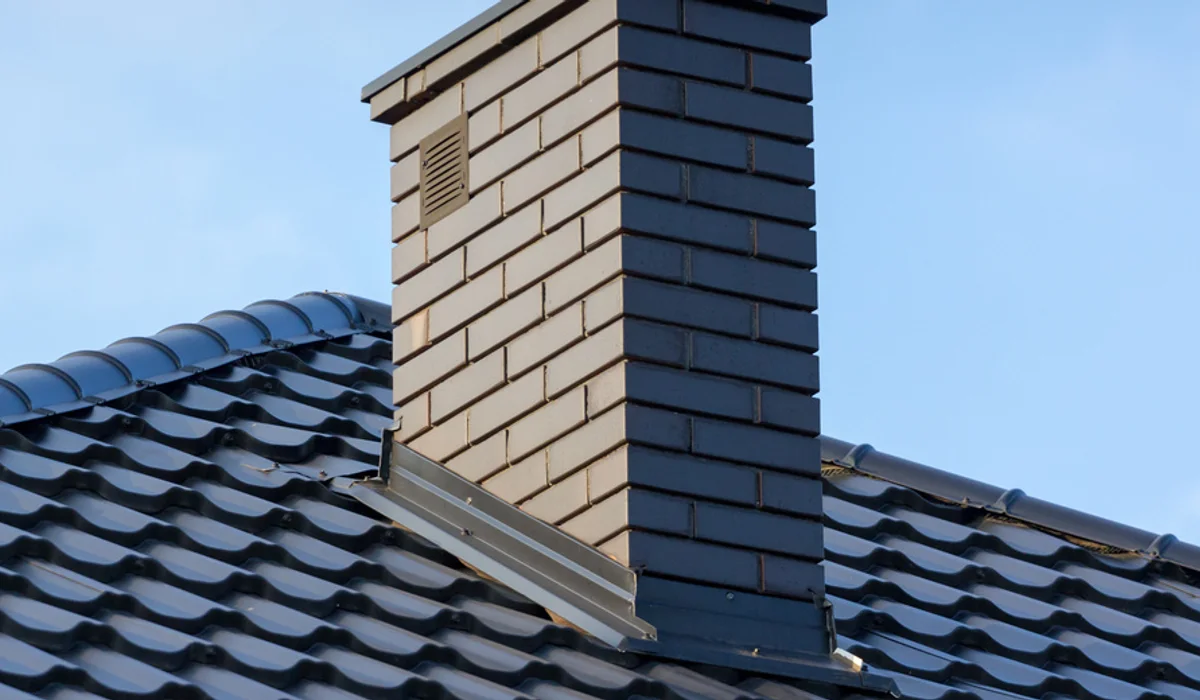
Chimney roof junction and masonry chimney exterior

Short Answer

Flashing fails where the roof and chimney have to move differently

The roof sheds water, the chimney masonry moves through weather cycles, and flashing has to bridge that joint. A leak repair should inspect step flashing, counter flashing, sealant, masonry cuts, and nearby roof conditions before work begins.

Chimney flashing is the metal system that connects the roof to the chimney. When it fails, water may show up as ceiling stains, attic moisture, damaged sheathing, or damp masonry. The visible leak is often only the final symptom.

Signs of Flashing Failure

  • Water stains on ceilings or walls near the chimney
  • Damp attic framing around the chimney opening
  • Loose, lifted, or corroded flashing metal
  • Heavy sealant buildup around the chimney base
  • Leaks that worsen during wind-driven rain
  • Roof replacement history with reused chimney flashing

What a Flashing Repair Should Include

  • Step flashing review along the roof side
  • Counter flashing review where metal meets masonry
  • Mortar joint or reglet condition at the chimney
  • Water path review at the cricket, saddle, or uphill side when present
  • Separation between roof problems and chimney problems

Do Not Guess at Chimney Leaks

Flashing is common, but it is not the only source. A cracked crown, open cap, or deteriorated mortar can send water to the same area. A stronger estimate explains why the recommended repair matches the leak evidence.

Step Flashing
Roof Integration
Counter Flashing
Masonry Tie-In
Written Scope
Estimate Standard

Estimate Logic

What Changes a Flashing Estimate

Flashing repair depends on roof pitch, chimney size, existing flashing details, masonry condition, and whether roof materials must be lifted or replaced to do the work correctly.

  • Step flashing and counter flashing condition
  • Roof pitch, roof material, and safe access
  • Whether old sealant is hiding failed metal
  • Masonry cuts, mortar condition, and water damage near the joint

What We Put in Writing for Chimney Flashing Repair

Scope

Clear explanation of the issue, the proposed repair, and the access needed before work begins.

Materials

Named materials and standards where they matter, including NFPA 211 inspection scope and ASTM C270 mortar matching.

Documentation

Estimate notes, approved scope, and maintenance guidance for the chimney or fireplace system.

Chimney Flashing Repair Questions

How do I know if my chimney leak is flashing?

Water stains near the roofline can point to flashing, but crown cracks, cap problems, or bad mortar can create similar symptoms. The leak source should be inspected before repair.

Can chimney flashing be sealed instead of replaced?

Temporary sealing may slow a small gap, but failed step flashing, loose counter flashing, or poor integration usually needs a proper flashing repair.

Should flashing be checked after roof replacement?

Yes. Chimney leaks often appear when roof work reuses old flashing or does not integrate counter flashing correctly with the masonry.

Leak Around the Chimney?

Request a flashing inspection and written repair scope before roof-chimney water damage spreads.

Request Estimate Call (847) 685-1043