

Chimney Rebuild vs Repair: Cost and Lifespan
Chimney rebuild vs repair: what determines the right choice, how costs compare qualitatively, and what lifespan to expect from each approach.
The short version
- Repair makes sense when the damage is localized and the structure is still sound. Rebuild makes sense when the masonry mass, bond, crown, liner support, or vertical alignment has failed.
- Do not compare repair and rebuild pricing until the inspection separates cosmetic masonry damage from structural or venting defects.
- A cheaper repair can become expensive if it preserves a failed crown, incompatible mortar, damaged liner, or unstable upper stack.
Source check rebuild decisions are cross-checked against IRC masonry chimney provisions, NPS masonry repointing guidance, and CSIA inspection procedures.
The decision between chimney rebuild and repair comes down to the scope and location of the damage, not the age of the chimney. A 100-year-old chimney with localized crown failure and deteriorated mortar joints in the upper courses is a repair job. A 40-year-old chimney with structural lean, pervasive brick spalling, and a failed liner may be a rebuild. Getting that determination right matters, because the cost difference between the two is significant and a misdiagnosis in either direction wastes money.
This post covers what distinguishes repair from rebuild, how the chimney rebuild vs repair decision is made at inspection, and what lifespan to expect from each approach. Inspection-level Level I and Level II chimney inspections under NFPA 211 are the right tool for making this call. An estimate without an inspection is a guess.
What Repair Covers and When It Applies
Repair encompasses a wide range of work, from tuckpointing individual mortar joints to replacing a crown, relining the flue, installing a new cap, or addressing flashing failure. The defining characteristic of a repair scope is that the underlying masonry structure is sound and the damage is localized or limited to specific components.
Tuckpointing: Removing deteriorated mortar to a depth that reaches sound material, then filling with fresh mortar matched to the existing brick. ASTM C270 governs mortar types. Type N, with a minimum compressive strength of 750 PSI, is the standard for above-grade residential chimney work. On chimneys built before 1920 with soft historic brick, the mortar must be softer than the brick, typically a lime-rich Type N or Type O (minimum 350 PSI), to avoid spalling the face of the original brick.
Crown repair or rebuild: The crown seals the masonry around the flue collar at the top of the chimney. Best practice is a crown that overhangs the masonry and slopes away from the flue so water sheds clear of the chimney face. A cracked or deteriorated crown that has let water into the mortar joints below is a repair item if the chimney below the crown is structurally intact.
Liner work: Relining a chimney with a stainless steel liner or cast-in-place system is a repair scope even though it is a significant project. Liner repair or replacement addresses what is inside the flue without requiring structural brick work on the chimney exterior.
Flashing: Replacing failed flashing at the chimney-roof junction is a repair item that does not involve the chimney masonry itself.
For detail on the components involved, see the chimney waterproofing and masonry guide and the new liner warning signs guide.
What a Rebuild Involves and When It Is the Right Call
A chimney rebuild typically involves dismantling the chimney from some point above the roofline or the firebox and rebuilding from that course up. For chimneys with structural issues that extend below the roofline, the scope may include the lower section or the full height.
The scenarios that point toward rebuild rather than repair:
Structural lean or separation. A chimney that has moved away from the house structure or that shows measurable lean is past the repair threshold for the affected section. The issue is typically in the footing or the lower courses, and the repair scope cannot address it by working on the upper chimney alone. See the leaning chimney repair guide for detail on how these problems develop.
Pervasive spalling through multiple courses. When the brick face has spalled off across many courses, the remaining brick is structurally compromised and absorbing water through its face. Tuckpointing that material preserves the mortar joints but does not address the brick. If the spalling is extensive enough, rebuilding with new brick is a better investment than repointing deteriorated original material.
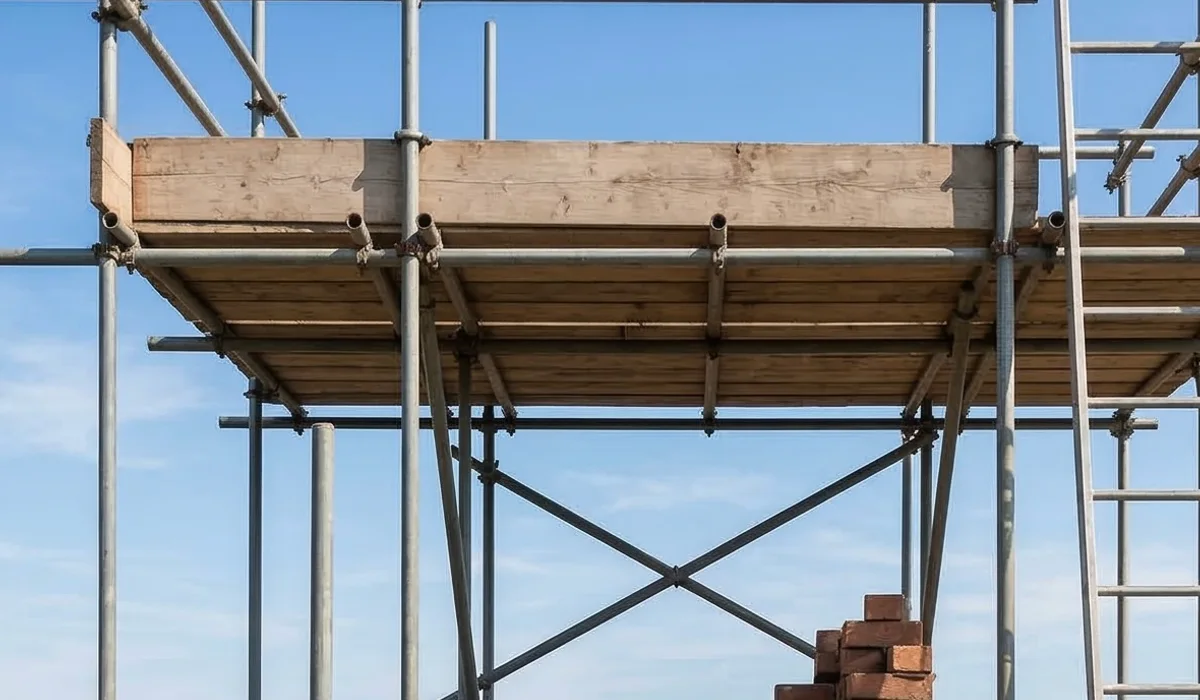
Mortar joint failure through the full exposed height. When every joint from the crown course down to the roofline needs repointing, and the work is extensive enough to require full scaffolding access anyway, the cost comparison between repair and rebuild changes. Getting a rebuild estimate alongside the full-repoint estimate is worthwhile.
Combined liner, crown, and structural failure. When the liner is cracked or deteriorated, the crown has failed, the mortar joints are open, and the brick shows freeze-thaw spalling, the total scope of a complete repair may approach or exceed the cost of a coordinated rebuild. A rebuild in that scenario produces a new chimney with a known condition and a clean maintenance baseline going forward.
For the full scope of what a rebuild entails, see what a chimney rebuild involves.
The Role of Inspection in the Decision
NFPA 211 defines three inspection levels. Level I covers visual inspection of readily accessible portions; Level II adds video scanning of the flue interior and accessible structural areas. Level II is the standard scope on a property sale or transfer, after a chimney fire, after a fuel-type or appliance change, or when a Level I finding warrants it.
For the rebuild-vs-repair decision specifically, the Level II scan is frequently the deciding input. A chimney that appears to need tuckpointing and a crown rebuild may, on video scan, show liner cracks or displaced tiles that add a liner replacement to the scope. That additional scope changes the cost comparison significantly. Getting a Level II inspection before committing to a repair scope is reasonable when the chimney is old, has had a chimney fire, or when there is visible damage to multiple components.
How Chicagoland’s Climate Affects the Decision
Repeated freeze-thaw cycles each winter drive the progressive damage pattern that leads chimneys from repair territory toward rebuild territory over time. Water expands as it freezes. A hairline mortar crack that admits water in October is a wider crack by March. By the time a homeowner notices staining or missing mortar, the underlying cycle has often been running for years.
Cost Framing: What Drives the Difference
There is no verified flat-rate range that applies across chimney repair and rebuild work in the Chicago area. The variables are too significant: chimney height, brick count for a rebuild, liner scope, scaffolding requirements, access complexity, and material selection all affect the final number. A written estimate needs an on-site assessment.
What is qualitatively true:
Localized repair, such as a crown rebuild, tuckpointing the top three courses, and installing a new cap, is substantially less than a full chimney rebuild. The rebuild mobilization alone, including scaffolding and brick delivery, represents a fixed cost that does not apply to targeted repairs.
However, if the repair scope grows to include liner replacement, full-height repointing, crown rebuild, and flashing repair, the total can approach the cost of a coordinated rebuild that delivers a known-condition chimney for the next several decades. At that crossover point, the rebuild often makes more financial sense because it eliminates the uncertainty about what deferred components may need attention in the next few years.
For guidance on inspection cost, get a written inspection quote before committing to repair or rebuild scope. The inspection level matters because a Level II video scan can change the repair decision.
After the Decision: Scheduling and Sequencing
Rebuild and repair work both benefit from summer scheduling. Mortar needs warmth and dry conditions to cure. A chimney rebuild or major repair scheduled in June through August allows full cure time before the freeze-thaw season begins in November. See the summer chimney work scheduling guide for the specific scheduling argument around spring and early summer timing.
For chimneys in need of immediate attention before the heating season, see the chimney warning signs that need immediate attention.
Schedule Your Inspection and Estimate
Delta - Chimney Repair and Services has been handling chimney repair and replacement across Chicagoland since 1987. We dispatch from our Park Ridge office with no subcontractors and provide written estimates after on-site inspection. We serve Chicago, Evanston, Oak Park, and Naperville, along with the broader Cook and Lake County service area.
Call (847) 685-1043 or use our contact page to schedule your inspection.
Repair scope is determined by an inspection, not by the age of the chimney. Old chimneys repair well when the underlying brick is sound and the damage is localized.
Sources and Standards
- NFPA 211: Standard for Chimneys, Fireplaces, Vents, and Solid Fuel-Burning Appliances National Fire Protection Association Defines the three chimney inspection levels and the annual inspection standard.
- ASTM C270: Standard Specification for Mortar for Unit Masonry ASTM International Mortar types and minimum compressive strengths used in chimney masonry repair.
- International Residential Code, Section R1003: Masonry Chimneys International Code Council Code provisions specific to masonry chimney construction.
- International Residential Code, Chapter 10: Chimneys and Fireplaces International Code Council Residential code for chimney and fireplace construction and clearances.
- Great Lakes Freeze-Thaw Climate Data GLISA, University of Michigan Freeze-thaw cycle data for the Great Lakes region.
- Preservation Brief 2: Repointing Mortar Joints in Historic Masonry Buildings U.S. National Park Service Guidance on matching mortar for historic and soft-brick chimney repair.
- CSIA Standard Operating Procedure: Level 1 Inspection of a Masonry Fireplace Chimney Safety Institute of America CSIA field procedure for routine Level 1 chimney and masonry fireplace inspection scope.
Fact-checked against the above sources on 2026-05-21.
Pre-Heating-Season Inspection and Sweep (Aug-Oct)
Chimney work runs on a calendar. This is what matters for a Chicagoland home in the window you are reading this.
- The Annual Chimney Inspection: What It Covers NFPA 211's annual cadence means the inspection belongs before the first fire of the season, not after.
- Why Fall Is the Best Time to Schedule a Chimney Sweep Answers the exact timing question homeowners are searching right now, before appliances go back into daily use.
- Fall Chimney Checklist: Before You Light the First Fire A complete pre-season checklist for everything to confirm before heating season starts.
- Chicagoland Seasonal Chimney Inspection Timing: When to Book Chicagoland-specific timing guidance for when to book, tied to local weather patterns.
- Heating Season Chimney Safety for Chicagoland Confirms the flue is clear and the liner is sound before regular winter use begins.
- Holiday Fireplace Safety: Before You Light the Fire What to check before lighting the fire for holiday gatherings, when the fireplace sees its heaviest seasonal use.
- Carbon Monoxide and Your Chimney Carbon monoxide risk rises with active heating-season use; this covers how a chimney problem creates that risk.
- Chimney Fire: Warning Signs and Prevention Creosote accumulated over active winter use is the direct driver of chimney fire risk.
- Freeze-Thaw Damage: What January Does to Your Chimney Where winter's freeze-thaw cycling shows up as visible masonry damage each spring.
- Post-Winter Chimney Checklist for Chicagoland A structured checklist for what to look at once the freeze-thaw season has passed.
- Spring Chimney Inspection: Reading Winter's Damage The seasonal inspection built specifically around catching winter's damage before it worsens.
- Cracked Chimney Crown: Causes and Repair The crown takes the most direct freeze-thaw damage of any component; what a crack there actually means.
- Why Spring Is the Right Time to Rebuild a Chimney Mortar needs consistently warm temperatures to cure properly, which is why spring opens the rebuild season.
- Summer Is the Best Time for Major Chimney Work The case for why summer, not winter, is when masonry work should actually be scheduled.
- Chimney Masonry Repair: Brick, Mortar, and Crown The comprehensive masonry repair guide for the season when that work can actually be done correctly.
- Tuckpointing a Chimney: When Mortar Joints Fail Tuckpointing mortar needs the same curing conditions as a full rebuild, which is why it's a warm-season job too.
Chimney Replacement FAQs
01 How do I know if my chimney needs a full rebuild or just repairs?
02 What does a chimney rebuild cost in the Chicago area?
03 What is a Level II chimney inspection and why does it matter for this decision?
04 Can chimney repair be done in sections over multiple seasons?
05 How long does a rebuilt chimney last?
06 Does homeowners insurance cover chimney rebuilds?
More Chimney Replacement Guides
What a Chimney Rebuild Actually Involves: Scope, Sequence, and Decisions
How a chimney rebuild's scope actually gets decided: the tear-down line, the liner call, brick and mortar matching, and what it means for a furnace that shares the flue.
Read article Chimney ReplacementRemoving a Chimney: When It Makes Sense and What the Job Involves
Chimney removal makes sense when nothing vents through the flue anymore or repair no longer holds the structure. What the job involves, from re-venting to permits.
Read article Seasonal MaintenanceWhy Spring Is the Right Time to Rebuild a Chimney
Spring chimney rebuilds get full cure time before the heating season. Learn what a chimney rebuild involves, when it is required, and why the May-to-September window matters.
Read article Chimney SafetyIs It Safe to Use My Fireplace? A Homeowner's Guide
Is my fireplace safe to use? Here is how to check before you light it - and which warning signs mean you leave the house immediately rather than call a contractor.
Read articleWant a Price for Your Specific Chimney?
A written estimate follows an on-site assessment. Request one online or by phone.