

Multi-Unit Building Chimney Maintenance
Multi unit chimney maintenance in Chicago and suburbs needs coordinated access, per-flue inspection, and clear documentation. Here is what building owners need to know.
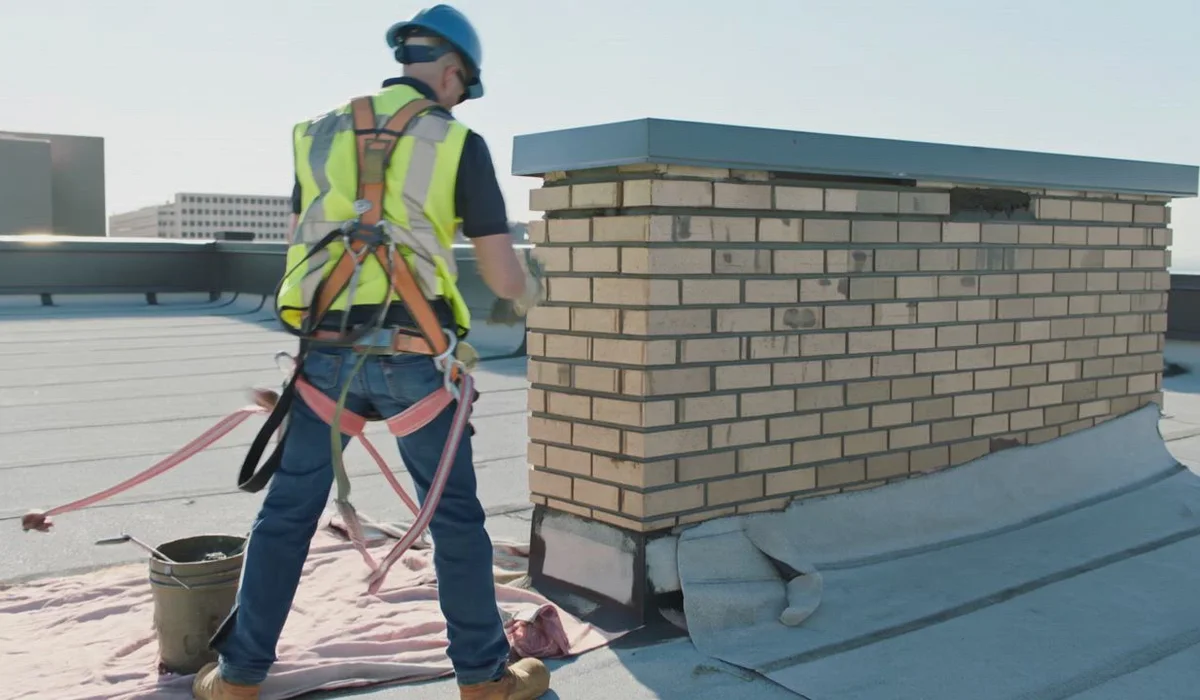
The short version
- Multi-unit chimney maintenance is a documentation problem as much as a repair problem.
- Track each flue separately, confirm access to each unit, document which appliance or fireplace each flue serves, and keep reports with the building file.
- Shared chimneys should not be cleared for use based on one unit's fireplace or one exterior view from the roof.
Source check multi-flue inspection planning is cross-checked against CSIA Level 1 and Level 2 inspection guidance, with permit-sensitive work checked against local building department guidance such as Chicago permit lookup guidance.
Multi unit chimney maintenance is different from single-family work in two fundamental ways: access and documentation. A building with six units and a shared chimney structure may have eight separate flue systems, each serving a different appliance in a different unit. Inspecting the exterior masonry tells you about the shell. It does not tell you what is happening inside each flue liner, which is where the safety and code questions actually live.
For building owners, property managers, and condo associations in the Chicago metro, this post covers what coordinated multi-unit chimney service involves, what NFPA 211 standard language calls for, and why documentation matters as much as the physical work.
What Makes Multi-Unit Chimney Service Different From Single-Family Work
A shared chimney in a two-flat or six-unit building may contain multiple flues running parallel inside a single masonry stack. Each flue serves a different appliance: one may vent a gas furnace, another a wood-burning fireplace, a third a gas fireplace insert. The flues may share common walls inside the stack but must be completely isolated from each other to function safely.
When one flue deteriorates, it can affect the draft characteristics of adjacent flues in the same stack. A cracked liner in one flue can allow combustion gases, including carbon monoxide, to migrate into adjacent flues or into the building structure.
The practical implication: inspecting the exterior masonry or even running a brush through one flue does not constitute a complete assessment. Each flue requires its own interior inspection, ideally with video scanning, to evaluate liner condition independently.
The NFPA 211 Inspection Framework for Multi-Unit Buildings
NFPA 211 defines three inspection levels that apply to multi-unit buildings the same way they apply to single-family homes:
Level I is a visual inspection of readily accessible portions. For a chimney in continued service with no change in appliances or use, this is the minimum annual standard. In a multi-unit setting, Level I covers the exterior masonry, crown, cap, and any accessible portions of each flue opening.
Level II adds video scanning of the flue interior plus accessible attics, crawl spaces, and basements. NFPA 211 standard language calls for Level II on a property sale or transfer, after a chimney fire or seismic event, and when a Level I finding warrants it. For multi-unit buildings, Level II is the appropriate standard when preparing for a building sale, when there is a fuel-type change or appliance change, or when any flue has a structural concern identified in a Level I.
Level III examines concealed areas and may require removing chimney or building components. This applies when a suspected serious hazard cannot be assessed through Level I or II.
For property managers handling annual inspection schedules, Level I is the baseline cadence. Level II should be triggered on any sale, major rehab, or finding that warrants further investigation.
Coordinating Access in Multi-Unit Buildings
The logistical challenge in multi-unit inspection is access. A thorough inspection of a shared chimney structure requires interior access to every flue opening, which typically means access to every unit that has a fireplace or a vented appliance tied to that stack. In owner-occupied condos, this requires coordinating with each unit owner. In rental properties, it requires coordination with tenants and compliance with appropriate notice requirements.
The most efficient approach is a single coordinated visit where all units are available on the same day. This allows the inspection to address the full chimney structure in sequence, capture all findings in a single field visit, and produce a consolidated property-level report.
When coordinated access is not possible, a staged approach works but takes longer and costs more per flue than a single coordinated visit. For buildings preparing for a sale with a deadline, planning the inspection scheduling in advance is worthwhile.
Documentation: Why Multi-Unit Buildings Need More of It
In a single-family home, the inspection report is a record for the homeowner. In a multi-unit building, it serves multiple audiences: the property owner, individual unit owners in a condo structure, the property manager, potential buyers in a sale, and insurance carriers.
A property-level inspection report for a multi-unit building should identify each flue by its appliance and unit, document the condition of each flue independently, and flag any shared-structure findings that apply to the whole stack. When a finding in one unit’s flue has implications for the structural integrity shared with other units, that cross-unit connection should be explicit in the report.
Condo associations especially benefit from documented inspection records because cost allocation between unit owners and the association depends on whether the failure is in a shared component or a unit-specific one. A clear inspection record from before a problem develops is a better starting point for that conversation than a dispute after the fact.
For a detailed discussion of how cost responsibility typically splits in condo and HOA settings, the condo and HOA chimney service post covers the governance side in more depth.
Common Problems in Multi-Unit Chimney Stock
The failure modes in multi-unit chimney stock follow the same physics as single-family homes, but the consequences of deferred maintenance scale with the number of connected flues.
Crown failure: A cracked crown on a shared chimney stack allows water infiltration that can affect multiple flues simultaneously. The freeze-thaw mechanism works the same on a multi-unit chimney as a single-family one. Water enters a crown crack, freezes, expands as it freezes, and enlarges the crack each cycle. Inland Cook County sees repeated freeze-thaw cycles each winter, making annual crown inspection worthwhile on any older masonry structure.
Liner condition in converted systems: Many pre-WWII Chicago-area multi-unit buildings originally had coal-fired boilers or furnaces. When these were converted to gas, the existing clay flue tile was often left in place. A flue lined for coal appliances may not be sized correctly for a modern gas appliance, and the original tile may be cracked or separated at joints. Level II video scanning is the only way to assess this accurately.
Cap and rain exposure: A missing or damaged cap on a multi-unit chimney exposes all connected flues to direct rain entry. On a building with four or six flues in one stack, a single missing cap affects every system in that stack. Cap replacement is one of the lower-cost preventive measures relative to its protective value.
What Multi-Unit Chimney Maintenance Looks Like Year to Year
The right cadence for multi-unit chimney maintenance is the same as NFPA 211 calls for in all occupied chimneys: at least one inspection per year. For buildings where all chimneys were inspected and found in good condition, annual Level I inspection is the appropriate standard.
When a Level I inspection identifies crown cracking, mortar joint failure, or liner concerns, those findings should be addressed in the same season when possible. Deferred masonry repair in a Chicago-area winter leads to accelerated deterioration because each freeze-thaw cycle extends the existing damage.
A practical annual schedule for a multi-unit building:
- Spring (March through May): Post-winter inspection to assess what the heating season and freeze-thaw damage revealed. Good time to schedule crown repairs, tuckpointing, and cap replacement before summer.
- Late summer (August through September): Structural masonry work. Mortar cures best in moderate temperatures, and summer scheduling gets ahead of the heating season.
- Fall (October): Pre-season inspection to confirm all systems are ready for use before the first fire.
For the broader framework on spring inspection timing, the spring chimney inspection post covers what post-winter assessment typically finds. The winter chimney repair timing guide covers fall preparation.
The commercial chimney inspection post for property managers addresses the documentation and compliance side in more detail.
Getting an Estimate for Your Building
Delta - Chimney Repair and Services has worked on multi-unit chimney service across the North Shore and northwest suburbs since 1987. We handle buildings in Chicago, Evanston, Oak Park, and Skokie, and across Cook County. We coordinate access scheduling, provide a property-level inspection report, and produce written repair estimates that separate findings by flue and by shared structure.
Call (847) 685-1043 or use the contact form to discuss your building’s inspection needs.
In a multi-unit building, one shared chimney stack can serve six or eight separate flues. Inspecting the structure is not the same as inspecting each system inside it.
Sources and Standards
- NFPA 211: Standard for Chimneys, Fireplaces, Vents, and Solid Fuel-Burning Appliances National Fire Protection Association Defines the three chimney inspection levels and the annual inspection standard.
- International Residential Code, Chapter 10: Chimneys and Fireplaces International Code Council Residential code for chimney and fireplace construction and clearances.
- ASTM C270: Standard Specification for Mortar for Unit Masonry ASTM International Mortar types and minimum compressive strengths used in chimney masonry repair.
- CSIA Standard Operating Procedure: Level 1 Inspection of a Masonry Fireplace Chimney Safety Institute of America CSIA field procedure for routine Level 1 chimney and masonry fireplace inspection scope.
- CSIA Standard Operating Procedure: Level 2 Inspection of a Factory-Built Fireplace Chimney Safety Institute of America CSIA field procedure for changed-use, sale, relining, fire, weather, or malfunction Level 2 inspection scope.
- Chicago Building Permit Application Status City of Chicago Department of Buildings City of Chicago permit application status and building permit lookup guidance.
- NFPA 96: Standard for Ventilation Control and Fire Protection of Commercial Cooking Operations National Fire Protection Association Fire-safety standard for design, operation, inspection, testing, and maintenance of commercial cooking operations.
Fact-checked against the above sources on 2026-05-21.
Pre-Heating-Season Inspection and Sweep (Aug-Oct)
Chimney work runs on a calendar. This is what matters for a Chicagoland home in the window you are reading this.
- The Annual Chimney Inspection: What It Covers NFPA 211's annual cadence means the inspection belongs before the first fire of the season, not after.
- Why Fall Is the Best Time to Schedule a Chimney Sweep Answers the exact timing question homeowners are searching right now, before appliances go back into daily use.
- Fall Chimney Checklist: Before You Light the First Fire A complete pre-season checklist for everything to confirm before heating season starts.
- Chicagoland Seasonal Chimney Inspection Timing: When to Book Chicagoland-specific timing guidance for when to book, tied to local weather patterns.
- Heating Season Chimney Safety for Chicagoland Confirms the flue is clear and the liner is sound before regular winter use begins.
- Holiday Fireplace Safety: Before You Light the Fire What to check before lighting the fire for holiday gatherings, when the fireplace sees its heaviest seasonal use.
- Carbon Monoxide and Your Chimney Carbon monoxide risk rises with active heating-season use; this covers how a chimney problem creates that risk.
- Chimney Fire: Warning Signs and Prevention Creosote accumulated over active winter use is the direct driver of chimney fire risk.
- Freeze-Thaw Damage: What January Does to Your Chimney Where winter's freeze-thaw cycling shows up as visible masonry damage each spring.
- Post-Winter Chimney Checklist for Chicagoland A structured checklist for what to look at once the freeze-thaw season has passed.
- Spring Chimney Inspection: Reading Winter's Damage The seasonal inspection built specifically around catching winter's damage before it worsens.
- Cracked Chimney Crown: Causes and Repair The crown takes the most direct freeze-thaw damage of any component; what a crack there actually means.
- Why Spring Is the Right Time to Rebuild a Chimney Mortar needs consistently warm temperatures to cure properly, which is why spring opens the rebuild season.
- Summer Is the Best Time for Major Chimney Work The case for why summer, not winter, is when masonry work should actually be scheduled.
- Chimney Masonry Repair: Brick, Mortar, and Crown The comprehensive masonry repair guide for the season when that work can actually be done correctly.
- Tuckpointing a Chimney: When Mortar Joints Fail Tuckpointing mortar needs the same curing conditions as a full rebuild, which is why it's a warm-season job too.
Multi-unit buildings hit the same who-pays question HOA and condo boards do; this is that breakdown (cross-silo).
Multi-Unit Chimney Services FAQs
01 How often should chimneys in a multi-unit building be inspected?
02 Who is responsible for chimney maintenance in a condo or multi-unit building?
03 Can all the chimneys in a multi-unit building be inspected in a single visit?
04 What does a Level II chimney inspection involve for a multi-unit building?
05 What chimney problems are most common in older Chicago-area multi-unit buildings?
06 Does Delta serve multi-unit buildings in the suburbs as well as Chicago?
Have a Question About Your Chimney?
Documented condition, a plain explanation, and a recommended scope before any work.