

Fireplace Remodel: Updating an Outdated Fireplace
Fireplace remodel options for Chicagoland homeowners: what can be updated, what requires structural work, and how to sequence safety and aesthetics.
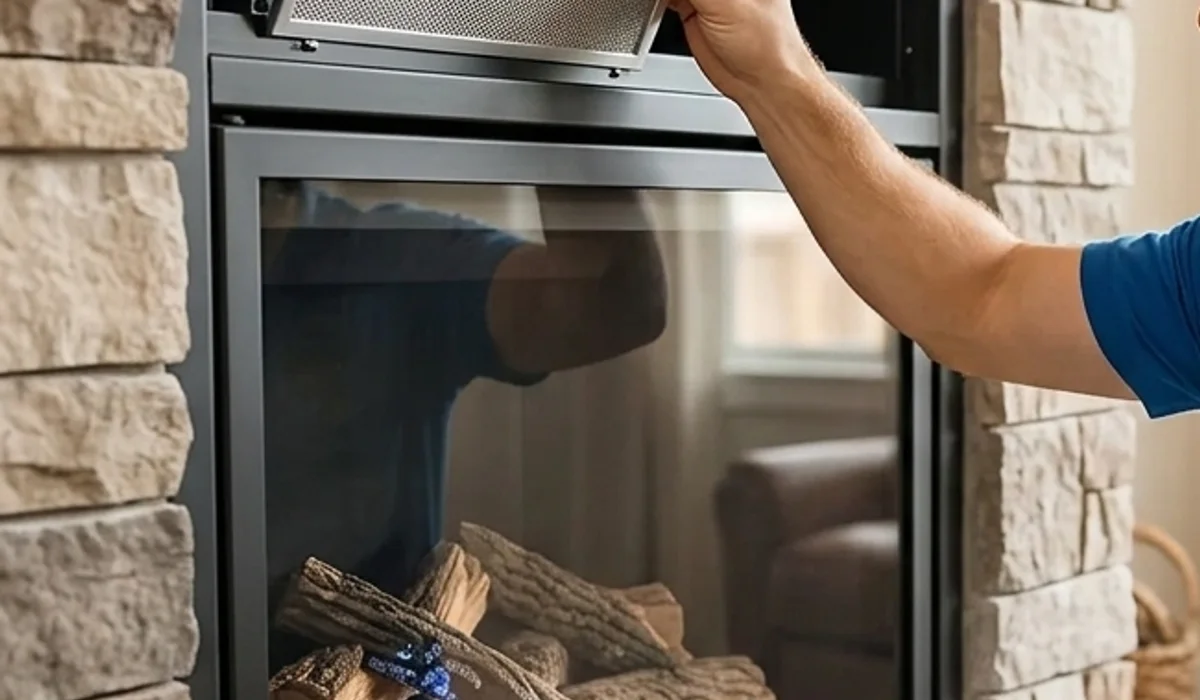
The short version
- Inspection before cosmetics: complete a NFPA 211 inspection of the firebox, damper, and flue before selecting or installing any surround tile, mantel, or hearth material.
- Structural work must come first: cracked firebox panels, failed dampers, and deteriorated liner need to be addressed before cosmetic finishes go in.
- The sequencing mistake to avoid: cosmetic work installed before structural findings are addressed has to come off when the repair is done -- costing time and money twice.
- Gas conversion during a remodel is common in older Chicagoland homes and requires permits plus a firebox and liner inspection before the insert is sized.
Source check this article is cross-checked against CSIA inspection guidance, CDC carbon monoxide guidance, CPSC home heating safety guidance, and EPA wood-burning maintenance guidance.
A fireplace remodel can mean anything from fresh hearth tile and a new mantel to a full conversion from wood to gas, with firebox repair, liner work, and a new damper in between. The distinction matters because the structural scope and the cosmetic scope have to happen in the right order, and the structural work must be addressed before use if the fireplace is going to be used.
This post covers what a fireplace remodel can include, how to sequence safety inspection and structural work before cosmetic updates, and what Chicagoland homeowners with older homes should expect. The starting point in every case is an inspection, not a tile sample.
Cosmetic Updates Versus Structural Work
Fireplace remodel projects fall into two broad categories, and knowing which you are dealing with determines the sequence.
Cosmetic updates include replacing the surround tile, installing a new mantel or mantel surround, updating hearth material, adding or removing a fireplace insert face, and changing decorative elements. These updates do not affect the firebox structure, the flue, or the fuel type. Cosmetic work can be done in a day or two in most cases, and does not typically require a permit.
Structural and functional work includes firebox panel replacement, damper repair or replacement, smoke chamber parging, gas conversion, flue relining, and any work that touches the firebox opening dimensions or the venting path. This work affects how safely and effectively the fireplace operates. It requires permits in most municipalities and should be done by someone with knowledge of the applicable codes.
The reason the sequencing matters: cosmetic work installed before structural findings are addressed creates a problem. New tile above a cracked firebox panel is tile that has to come off when the firebox repair is done. New mantel trim over a failed damper is trim that may need to be disturbed when the damper is replaced. Inspection first, structural work second, cosmetic finishes last.
Starting with Inspection
NFPA 211, the standard for chimneys, fireplaces, and venting systems, calls for chimney inspection before any significant change to a fireplace or appliance. A Level I inspection covers the readily accessible firebox, damper, and visible portions of the flue. A Level II inspection adds video scanning of the flue interior.
For a fireplace that has not been used in years, that came with a home purchase, or that is being converted from one fuel type to another, a Level II inspection is warranted. The video scan reveals liner condition that is not visible from the firebox opening. A liner with displaced tile sections or cracks is a safety issue that changes the project scope.
Masonry fireplace and chimney construction is governed by ICC IRC Chapter 10, specifically R1001 for fireplaces and R1003 for masonry chimneys. Gas appliance venting is governed by NFPA 54. These are the standards that inspection findings reference.
Updating the Firebox
The firebox is the combustion chamber. Its surfaces take direct flame exposure and thermal cycling every time the fireplace is used. Over decades, firebox panels crack, mortar joints in the firebrick courses open, and in some cases the firebrick face itself spalls. These are not cosmetic issues; a cracked firebox panel or open mortar joint in the firebox creates a path for heat and combustion gases to reach the framing behind the firebox.
Firebox panel replacement or firebox repointing with refractory mortar is the structural foundation of any cosmetic remodel. On a fireplace that has been in service for 30, 50, or 80 years, a firebox assessment is not optional. For detail on what firebox repair involves, see the fireplace firebox repair guide.
Damper Condition and Options
The damper controls draft when the fireplace is in use and seals the flue when the fireplace is not in use. Original throat dampers in older masonry fireplaces are cast iron, and after decades of thermal cycling and moisture exposure they typically warp, corrode, or lose the seal. A damper that does not seal properly allows conditioned air to escape the house year-round, which is an energy loss, and allows outside air and moisture to enter the flue, which accelerates chimney deterioration.
Damper replacement or upgrade is a common item in fireplace remodels. Top-mount chimney dampers, which mount at the top of the chimney and are operated by a cable from the firebox, are an upgrade option over throat dampers because they seal the flue at the top rather than the middle, reducing the entire flue column’s exposure to moisture. For more on damper condition and problems, see the chimney damper repair guide.
Gas Conversion as Part of a Remodel
Converting a wood-burning masonry fireplace to a gas insert or gas logs is a common remodel goal, particularly in the pre-WWII housing stock across Chicagoland where the original fireplaces are functional but homeowners want the convenience of gas.
A direct-vent gas insert vents through a dedicated liner in the existing chimney. The insert fills the firebox opening and provides efficient gas combustion with a realistic flame appearance. The existing firebox masonry provides the structural surround. Gas appliance venting requirements are governed by NFPA 54. A conversion of this type requires a permit in virtually all Chicagoland municipalities and should include inspection of the existing firebox and liner before the insert is sized.
For a full overview of what a gas conversion involves, see the gas fireplace conversion guide.
Older Chicago-Area Homes: What to Expect
Remodeling one of these fireplaces involves a choice: restore and preserve the period character, or update to a contemporary aesthetic. Both are valid, but both require the same structural foundation: firebox assessment, damper condition evaluation, and flue inspection before cosmetic decisions are made.
The Chicago Department of Buildings governs permits for structural fireplace changes. Structural fireplace work in a two-flat or multi-unit building requires coordination because the chimney often serves multiple units.
Cosmetic Finishes: Surround, Mantel, and Hearth
After structural work is complete and the inspection passes, the cosmetic scope can proceed. Common updates include replacing dated surround tile with natural stone, large-format porcelain, or custom artisan tile. Period-appropriate reproduction tile is available for historic homes where the original character matters. Mantels must maintain proper clearances from the firebox opening governed by ICC IRC R1001. Hearth extension material updates, such as from dated brick to natural stone or large-format tile, are straightforward changes when the structural hearth slab is sound.
Sequencing the Project
A well-sequenced fireplace remodel follows this order:
- NFPA 211 Level I or Level II inspection
- Structural scope defined and estimated: firebox, damper, liner, smoke chamber
- Any permits pulled for structural work
- Structural work completed and inspected
- Cosmetic scope finalized: surround, mantel, hearth
- Cosmetic work installed
This sequence means the cosmetic finishes go over a structurally sound, inspected fireplace. For guidance on annual fireplace maintenance after the remodel is complete, see the fireplace maintenance annual service guide.
Schedule Your Fireplace Assessment
Delta - Chimney Repair and Services has handled fireplace restoration across Chicagoland since 1987, dispatching from our Park Ridge office. We serve Chicago, Oak Park, Evanston, and Hinsdale, along with the broader Cook and DuPage county service area.
Call (847) 685-1043 or use our contact page to schedule your inspection before the remodel scope is finalized.
A fireplace remodel that skips the inspection step often ends up costing more when the structural findings surface after the new surround is in place.
Sources and Standards
- NFPA 211: Standard for Chimneys, Fireplaces, Vents, and Solid Fuel-Burning Appliances National Fire Protection Association Defines the three chimney inspection levels and the annual inspection standard.
- NFPA 54: National Fuel Gas Code National Fire Protection Association Governs venting for gas appliances and gas fireplaces.
- International Residential Code, Chapter 10: Chimneys and Fireplaces International Code Council Residential code for chimney and fireplace construction and clearances.
- International Residential Code, Section R1003: Masonry Chimneys International Code Council Code provisions specific to masonry chimney construction.
- CSIA Standard Operating Procedure: Level 1 Inspection of a Masonry Fireplace Chimney Safety Institute of America CSIA field procedure for routine Level 1 chimney and masonry fireplace inspection scope.
- Carbon Monoxide Poisoning Basics Centers for Disease Control and Prevention Public health guidance on CO risks, symptoms, detectors, and prevention.
- Home Heating Equipment and Carbon Monoxide Safety U.S. Consumer Product Safety Commission Consumer safety guidance on yearly inspection of fuel-burning heating systems, chimneys, flues, and vents.
Fact-checked against the above sources on 2026-05-21.
Pre-Heating-Season Inspection and Sweep (Aug-Oct)
Chimney work runs on a calendar. This is what matters for a Chicagoland home in the window you are reading this.
- The Annual Chimney Inspection: What It Covers NFPA 211's annual cadence means the inspection belongs before the first fire of the season, not after.
- Why Fall Is the Best Time to Schedule a Chimney Sweep Answers the exact timing question homeowners are searching right now, before appliances go back into daily use.
- Fall Chimney Checklist: Before You Light the First Fire A complete pre-season checklist for everything to confirm before heating season starts.
- Chicagoland Seasonal Chimney Inspection Timing: When to Book Chicagoland-specific timing guidance for when to book, tied to local weather patterns.
- Heating Season Chimney Safety for Chicagoland Confirms the flue is clear and the liner is sound before regular winter use begins.
- Holiday Fireplace Safety: Before You Light the Fire What to check before lighting the fire for holiday gatherings, when the fireplace sees its heaviest seasonal use.
- Carbon Monoxide and Your Chimney Carbon monoxide risk rises with active heating-season use; this covers how a chimney problem creates that risk.
- Chimney Fire: Warning Signs and Prevention Creosote accumulated over active winter use is the direct driver of chimney fire risk.
- Freeze-Thaw Damage: What January Does to Your Chimney Where winter's freeze-thaw cycling shows up as visible masonry damage each spring.
- Post-Winter Chimney Checklist for Chicagoland A structured checklist for what to look at once the freeze-thaw season has passed.
- Spring Chimney Inspection: Reading Winter's Damage The seasonal inspection built specifically around catching winter's damage before it worsens.
- Cracked Chimney Crown: Causes and Repair The crown takes the most direct freeze-thaw damage of any component; what a crack there actually means.
- Why Spring Is the Right Time to Rebuild a Chimney Mortar needs consistently warm temperatures to cure properly, which is why spring opens the rebuild season.
- Summer Is the Best Time for Major Chimney Work The case for why summer, not winter, is when masonry work should actually be scheduled.
- Chimney Masonry Repair: Brick, Mortar, and Crown The comprehensive masonry repair guide for the season when that work can actually be done correctly.
- Tuckpointing a Chimney: When Mortar Joints Fail Tuckpointing mortar needs the same curing conditions as a full rebuild, which is why it's a warm-season job too.
The comprehensive restoration guide the narrower remodel and conversion posts feed into.
Fireplace Restoration FAQs
01 What does a fireplace remodel typically involve?
02 Can I convert my wood-burning fireplace to gas during a remodel?
03 Does updating the fireplace surround require a permit?
04 What should I inspect before starting a fireplace remodel?
05 How long does a fireplace remodel take?
More Fireplace Restoration Guides
What Is a Hearth? Materials, Clearances, and Why It Matters
A hearth has two parts: the firebox floor and the hearth extension in front of it. What each one does, what it's made of, and why the extension's size is not optional.
Read article FireplaceGas Fireplace Conversion: What It Involves
Gas fireplace conversion from wood to gas: inspection requirements, insert types, venting options, and what Chicagoland homeowners need to know.
Read article FireplaceFireplace Restoration: Bringing an Old Fireplace Back
Fireplace restoration on an older home means addressing firebox damage, liner condition, and smoke chamber before safe use. What the work involves.
Read articleHave a Question About Your Chimney?
Documented condition, a plain explanation, and a recommended scope before any work.