

Restaurant Chimney and Exhaust: Code and Cleaning
Restaurant chimney service covers masonry exhaust flues, commercial vent systems, and code compliance cleaning. What Chicagoland operators and managers need to know.
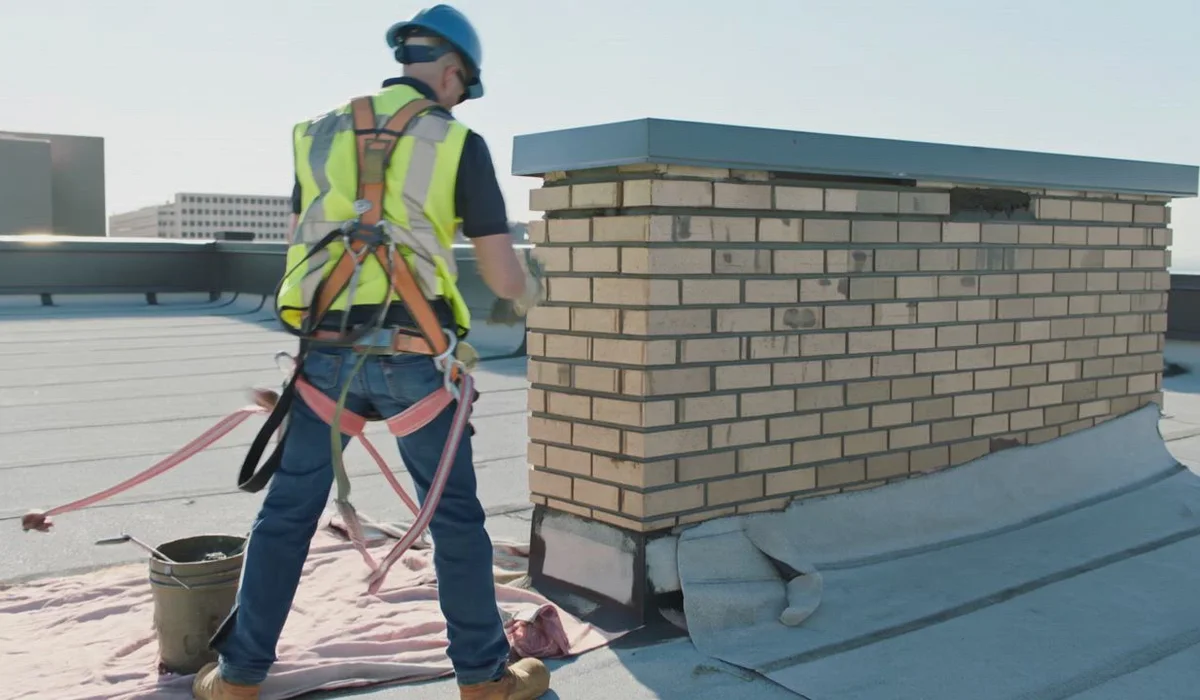
The short version
- Restaurant hood cleaning and masonry chimney service are separate scopes. A hood contract does not automatically inspect a dining-room fireplace, masonry stack, or wood-fired oven flue.
- Wood-fired restaurant equipment can create a higher-use flue than a residential fireplace, so the inspection and cleaning cadence should follow operating volume and observed buildup.
- Keep written reports for leases, insurance files, fire inspections, and landlord records.
Source check hood and commercial cooking references are checked against NFPA 96, while masonry fireplace inspection scope is checked against CSIA procedures.
Restaurants and food-service operations that have masonry chimneys, wood-burning ovens, or decorative fireplaces face a maintenance obligation that is distinct from commercial kitchen hood service. The hood exhaust system is a mechanical duct installation. The masonry chimney is a structural system that follows NFPA 211 inspection standards and local building code requirements regardless of whether the building is residential or commercial.
This post is written for property managers, restaurant operators, and building owners managing commercial food-service spaces in the Chicagoland area. The central point is straightforward: masonry chimney service and commercial kitchen exhaust service are two different things, they have different service schedules, and both need to be on the maintenance calendar.
What Types of Chimney Systems Appear in Restaurant Buildings
Not every restaurant building has a masonry chimney. The relevant configurations we see in Chicagoland commercial dining spaces include:
Dining-room fireplaces. Many restaurant dining rooms, particularly in older commercial buildings, have masonry fireplaces that operate as ambient features or supplemental heat sources. These are full chimney systems: firebox, damper, smoke chamber, clay tile flue, crown, and cap. They follow the same NFPA 211 inspection cadence as a residential chimney.
Wood-burning ovens and open hearths. Restaurants with pizza ovens, wood-fired grills, or open-flame hearths venting through masonry flues have a high-use commercial application on a residential-type chimney structure. The combustion byproduct accumulation in these flues can be substantially greater than in a residential wood-burning fireplace used seasonally.
Legacy boiler and HVAC stacks. Older commercial buildings in Chicago, Evanston, and the inner suburbs sometimes have masonry stacks that originally served coal or gas boilers. If the boiler has been replaced, the stack may be abandoned in place or repurposed for a different vent path. Abandoned stacks still need structural monitoring. Repurposed stacks need inspection to confirm the new application is appropriate for the flue dimensions and condition.
Converted residential structures. Many restaurant spaces in Oak Park, Evanston, and similar communities occupy converted residential buildings. These buildings have residential chimney systems that now see commercial use. A residential chimney in a building operating as a restaurant should be assessed for the increased use load.
Commercial vs. Residential Chimney Work: Key Differences
The core chimney inspection and service work is the same regardless of occupancy type: NFPA 211 governs the inspection standard, and the structural components - masonry, liner, crown, cap, flashing - are assessed the same way. What differs in commercial applications is the compliance context and the documentation requirement.
For a restaurant operator, chimney service is not just a maintenance activity. It is a documented record that can be reviewed in the context of a fire inspection, health inspection, or insurance audit. The service should produce a written inspection report with condition findings, any deficiencies noted, and the scope of work performed. This documentation is the operator’s evidence of due diligence.
For structural chimney work at a commercial property, confirm permit requirements before work starts. The service provider should handle that process for permit-required scopes.
The Hood System Does Not Cover the Chimney
Commercial kitchen hood systems - Type I hoods for grease-laden vapor above cooking equipment, Type II hoods for heat and moisture - are fire suppression and exhaust ventilation systems governed by NFPA 96 and local fire codes. They are cleaned and inspected under a separate schedule determined by cooking volume and the type of cooking performed.
A masonry chimney serving a dining-room fireplace is not part of the hood system, is not cleaned by the hood service provider, and is not covered by the hood inspection. The two systems may be in the same building and may look similar from the outside, but they have different structures, different service requirements, and different code authority.
Restaurant operators who assume that the hood cleaning contract covers all combustion and exhaust in the building are leaving the masonry chimney system unserviced. That is the most common gap we find in commercial dining properties.
Wood-Burning Equipment: A Higher Accumulation Load
Restaurants with wood-burning ovens or hearths face a faster creosote accumulation rate than seasonal residential fireplaces. A wood-burning pizza oven operating six days a week, fifty weeks a year, puts far more combustion load through the flue than a residential fireplace used thirty times a winter. Stage 2 buildup can accumulate in a commercial wood-fire application faster than the annual-inspection window that works for residential chimneys.
The right approach for commercial wood-burning applications is to establish the inspection and sweep interval based on operating volume and the creosote stage found at each inspection, rather than defaulting to a fixed annual calendar. After the initial inspection establishes baseline condition, the service provider can recommend the appropriate frequency. Some commercial applications warrant twice-annual or even quarterly inspection depending on volume.
This is not a regulatory prescription - it is the practical application of NFPA 211 principles to a higher-use scenario.
Documenting Service for Lease and Insurance Purposes
For property managers handling multi-tenant commercial buildings, the documentation around chimney service has value beyond the inspection itself.
Lease agreements that assign maintenance responsibility to tenants should be reinforced with a requirement for documented annual inspection. A tenant operating a restaurant with a wood-burning oven in a masonry-chimney building has structural maintenance obligations that the property owner needs documented proof of compliance on. A lease clause requiring annual chimney inspection reports to be provided to the building owner costs the tenant nothing beyond the inspection itself and protects the landlord’s asset.
Insurance carriers for commercial properties increasingly ask for evidence of building system maintenance as a condition of coverage and claim eligibility. A chimney fire in a restaurant building where no inspection records exist for five years creates a difficult coverage situation. Documented annual service - with written reports on file - is the evidence that due diligence was maintained.
For more on the broader commercial chimney service framework, the commercial chimney inspection post for property managers covers the property-manager perspective in detail.
What a Commercial Restaurant Chimney Service Visit Covers
A service visit to a restaurant property with a masonry chimney follows the same structural sequence as a residential visit, with the additional documentation and compliance context.
The inspection begins with the firebox or hearth, covers the damper (if present), smoke chamber condition, flue interior assessment via Level I visual and Level II video scan as warranted, and exterior condition including crown, cap, and visible masonry. For a wood-burning oven without a traditional firebox, the inspection scope adjusts to the specific equipment configuration.
The condition report documents findings by component, identifies any immediate concerns, and recommends a repair scope and service frequency. If sweeping is performed, the estimated creosote stage and quantity removed is noted.
For commercial buildings in Chicago’s north and northwest neighborhoods and the surrounding inner suburbs, our commercial chimney services cover the full inspection-to-repair scope.
What Inspection Findings Look Like in a Commercial Context
A restaurant chimney inspection follows the same NFPA 211 framework as a residential inspection, but the findings have different weight in a commercial context. A residential homeowner who finds Stage 2 creosote can decide to address it before next season. A restaurant operator with Stage 2 buildup in a wood-burning oven flue that operates six days a week has a more immediate operational decision to make.
The common findings in commercial masonry chimneys serving active dining-room fireplaces and wood-burning equipment include:
- Crown failure with active water entry, which in a commercial building often shows first as staining on interior walls or ceiling finishes near the chimney stack
- Mortar joint deterioration in the upper chimney, which accelerates under the moisture load from condensing flue gases in buildings that operate HVAC continuously
- Clay flue tile cracking, which is indistinguishable in a commercial context from a residential finding but has higher urgency because the flue is in more frequent use
- Creosote buildup at Stage 2 or above in wood-burning applications, requiring more aggressive cleaning protocols than the annual sweep covers
Each of these findings warrants a written repair recommendation with a timeline. For a restaurant operator, “address before the next heavy season” is not an adequate timeline. A specific completion date, tied to the operational calendar, is the appropriate framing.
Naperville and the Suburban Commercial Chimney Profile
In these suburban commercial contexts, the inspection and service framework is identical to what applies in Chicago or Evanston. NFPA 211 is a national standard. The practical difference is that suburban fire departments and health departments vary in how regularly they audit chimney maintenance records versus kitchen hood records. Waiting for a compliance visit to discover a deferred masonry chimney is a poor strategy. Scheduled annual inspection keeps the operator ahead of that conversation.
For properties where the masonry chimney was originally part of a residential structure that has since been converted to commercial use, the inspection should address both the current use load and the structural age of the system. A residential chimney built in 1930 that now serves a restaurant dining room is carrying a higher use load than it was designed for. The inspection scope should reflect that.
Scheduling Commercial Chimney Service
Delta - Chimney Repair and Services has handled commercial chimney work across the North Shore and northwest suburbs since 1987. We serve restaurant operators and property managers in Chicago, Evanston, Skokie, and Arlington Heights, along with the broader Chicagoland area.
For commercial properties, we provide written inspection reports with component-level findings, document the scope of work performed, and coordinate permit requirements for any structural repair work. A written estimate needs an on-site assessment. Call (847) 685-1043 or use our contact form to schedule an inspection.
Related resources: the multi-unit building chimney maintenance post covers shared-chimney structures in mixed-use and multi-unit commercial buildings, and annual chimney inspection covers the NFPA 211 Level I and Level II framework in detail.
A restaurant with a wood-burning oven or a dining-room fireplace has two separate maintenance obligations that are easy to conflate - and easier still to overlook entirely when the kitchen hood contract is already in place.
Sources and Standards
- NFPA 211: Standard for Chimneys, Fireplaces, Vents, and Solid Fuel-Burning Appliances National Fire Protection Association Defines the three chimney inspection levels and the annual inspection standard.
- NFPA 54: National Fuel Gas Code National Fire Protection Association Governs venting for gas appliances and gas fireplaces.
- International Residential Code, Chapter 10: Chimneys and Fireplaces International Code Council Residential code for chimney and fireplace construction and clearances.
- NFPA 96: Standard for Ventilation Control and Fire Protection of Commercial Cooking Operations National Fire Protection Association Fire-safety standard for design, operation, inspection, testing, and maintenance of commercial cooking operations.
- CSIA Standard Operating Procedure: Level 1 Inspection of a Masonry Fireplace Chimney Safety Institute of America CSIA field procedure for routine Level 1 chimney and masonry fireplace inspection scope.
- Chicago Building Permit Application Status City of Chicago Department of Buildings City of Chicago permit application status and building permit lookup guidance.
Fact-checked against the above sources on 2026-05-21.
Pre-Heating-Season Inspection and Sweep (Aug-Oct)
Chimney work runs on a calendar. This is what matters for a Chicagoland home in the window you are reading this.
- The Annual Chimney Inspection: What It Covers NFPA 211's annual cadence means the inspection belongs before the first fire of the season, not after.
- Why Fall Is the Best Time to Schedule a Chimney Sweep Answers the exact timing question homeowners are searching right now, before appliances go back into daily use.
- Fall Chimney Checklist: Before You Light the First Fire A complete pre-season checklist for everything to confirm before heating season starts.
- Chicagoland Seasonal Chimney Inspection Timing: When to Book Chicagoland-specific timing guidance for when to book, tied to local weather patterns.
- Heating Season Chimney Safety for Chicagoland Confirms the flue is clear and the liner is sound before regular winter use begins.
- Holiday Fireplace Safety: Before You Light the Fire What to check before lighting the fire for holiday gatherings, when the fireplace sees its heaviest seasonal use.
- Carbon Monoxide and Your Chimney Carbon monoxide risk rises with active heating-season use; this covers how a chimney problem creates that risk.
- Chimney Fire: Warning Signs and Prevention Creosote accumulated over active winter use is the direct driver of chimney fire risk.
- Freeze-Thaw Damage: What January Does to Your Chimney Where winter's freeze-thaw cycling shows up as visible masonry damage each spring.
- Post-Winter Chimney Checklist for Chicagoland A structured checklist for what to look at once the freeze-thaw season has passed.
- Spring Chimney Inspection: Reading Winter's Damage The seasonal inspection built specifically around catching winter's damage before it worsens.
- Cracked Chimney Crown: Causes and Repair The crown takes the most direct freeze-thaw damage of any component; what a crack there actually means.
- Why Spring Is the Right Time to Rebuild a Chimney Mortar needs consistently warm temperatures to cure properly, which is why spring opens the rebuild season.
- Summer Is the Best Time for Major Chimney Work The case for why summer, not winter, is when masonry work should actually be scheduled.
- Chimney Masonry Repair: Brick, Mortar, and Crown The comprehensive masonry repair guide for the season when that work can actually be done correctly.
- Tuckpointing a Chimney: When Mortar Joints Fail Tuckpointing mortar needs the same curing conditions as a full rebuild, which is why it's a warm-season job too.
The documented inspection cadence property managers use applies directly to a restaurant exhaust and chimney system (cross-silo).
Restaurant Chimney Services FAQs
01 How often does a commercial restaurant chimney need to be cleaned?
02 What is the difference between a commercial kitchen hood and a chimney for a restaurant?
03 Who is responsible for scheduling chimney and exhaust service at a leased restaurant space?
04 Does a restaurant fireplace need a separate chimney inspection from the kitchen exhaust?
05 Can a masonry chimney serve both a restaurant fireplace and a kitchen exhaust?
Have a Question About Your Chimney?
Documented condition, a plain explanation, and a recommended scope before any work.