

Is Your Fireplace Ready for the Season?
A practical fireplace safety check before heating season: what to inspect yourself, what needs a professional, and when to stop and call for help.
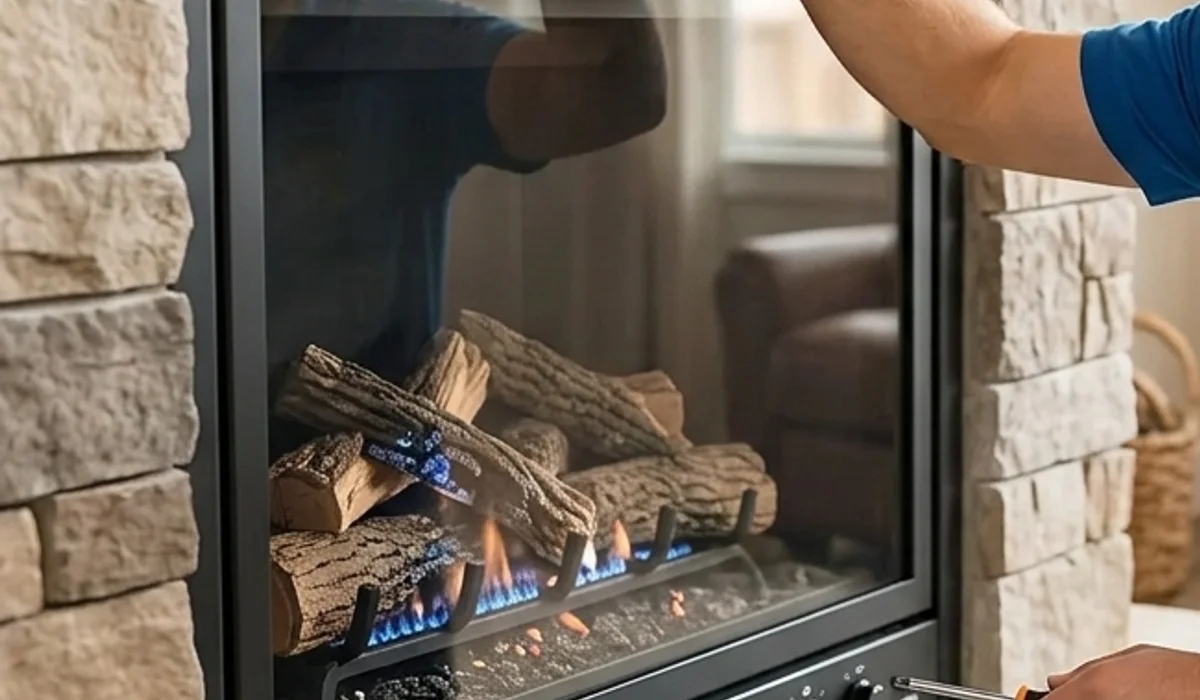
The short version
- Stop using the fireplace or appliance if there is smoke rollback, CO concern, fire damage, liner damage, blocked flue, unusual odor, or visible structural movement.
- Safety posts should lead to inspection and documentation, not experiments with repeated fires or temporary fixes.
- Treat the inspection result as the decision point for cleaning, repair, relining, or taking the system out of service.
Source check this article is cross-checked against CSIA inspection guidance, CDC carbon monoxide guidance, CPSC home heating safety guidance, and EPA wood-burning maintenance guidance.
A fireplace safety check before heating season is the step that keeps a comfortable feature from becoming a hazard. Before you light the first fire each fall, your fireplace and chimney need to pass a baseline readiness check. Some of that check is something you can do yourself. The part that matters most for safety requires a professional NFPA 211 inspection.
This post walks through both: what you can evaluate as a homeowner, what a professional inspection covers, and what signs mean you should stop and schedule a professional before use.
Why September Is the Right Month for This Check
September is the highest-value month for fireplace and chimney inspection in Chicagoland for three reasons. First, any repair findings from the inspection can be completed before the heating season starts. Second, fall mortar work cures properly in September temperatures, while December emergency work often occurs in conditions that compromise cure quality. Third, scheduling availability is better in September than in October and November when the backlog builds.
The issues that develop over summer are different from winter issues. Chimney swifts and other birds nest during spring migration. Raccoons and squirrels find entry points. Nesting materials, debris from summer storms, and mortar that worked loose during last winter’s freeze-thaw cycles all accumulate between spring and fall. The first evening you want to use the fireplace is not the time to discover any of these.
In Park Ridge, where Delta - Chimney Repair and Services has been based since we opened in 1987, the housing stock spans everything from 1920s bungalows to postwar ranches to more recent construction. Park Ridge sits in the USDA Zone 6a inland Cook County climate, with repeated freeze-thaw cycles each winter. A fireplace that worked fine in March may have developed a crown crack, a displaced flue tile, or a failed damper seal over the summer that will not show up until cold weather.
The Homeowner Check: What You Can Do Without Roof Access
The six-step basic pre-season safety check above covers what a homeowner can reasonably evaluate from the ground and from inside the firebox. These steps are worth doing before you call for an inspection, because they help you describe what you observe to the inspector and they catch the most obvious problems.
The homeowner check is useful for flagging the obvious issues. It is not a substitute for professional inspection. You cannot evaluate flue liner condition, smoke chamber mortar integrity, or upper masonry condition without roof access and in many cases without video equipment.
The Professional Inspection: What It Covers
An NFPA 211 Level I inspection covers all readily accessible components of the chimney system. For the fireplace specifically, a Level I inspection includes:
Firebox: Firebrick and refractory mortar joint condition, back wall and side wall integrity, ash dump condition, and clearance from combustible materials. Cracks in the firebox that have opened since last season indicate the system has been stressed, either from thermal cycling or from moisture.
Damper: Full damper operation, sealing condition when closed, and absence of corrosion that would prevent proper operation. A damper that does not seat fully when closed allows conditioned air to escape the home throughout the winter.
Smoke chamber: The smoke chamber sits above the firebox and below the flue. Properly parged (smooth-coated) smoke chambers support draft and prevent smoke spillage. Rough or deteriorated smoke chamber surfaces are a code compliance issue and a draft problem. Our smoke chamber parging service addresses this specifically.
Flue interior (accessible portion): Visible creosote level, obstructions, and any obvious liner damage visible from the firebox opening.
Exterior components: Crown, cap, flashing, and exterior masonry condition, all evaluated from roof access.
A Level II inspection adds video scanning of the full flue interior and is required on property transfers, after a fuel-type change, after a chimney fire, or when Level I findings suggest concealed damage. See Level I vs Level II chimney inspection: which do you need for the full decision tree.
What Makes a Fireplace Unsafe to Use
Certain conditions warrant stopping use of the fireplace entirely until professional inspection and any needed repair is complete. These are not “keep using it and schedule something soon” situations; they are “do not use until fixed” situations:
Active smoke entry into the living space during use. If smoke enters the room when you use the fireplace, stop use immediately. The causes range from a blocked flue to a failed damper to a flue liner problem. Using the fireplace with smoke entry exposes occupants to carbon monoxide risk.
Persistent smoke or creosote odor when not in use. This indicates a flue gap, a missing damper seal, or a missing cap is allowing draft-driven air and odors to enter the living space. It is a sign the chimney is not sealed properly, which is both a comfort issue and a safety risk.
Visible cracks in the firebox back wall that have worsened since last season. Firebox back wall cracks that progress year over year indicate the refractory system is failing. Using the fireplace with a compromised firebox back wall risks fire spread to the structure behind it.
Any suspected carbon monoxide. If occupants experience headaches, nausea, or dizziness when using the fireplace, leave the home immediately and call emergency services. Do not re-enter until the property has been evaluated. Install and test carbon monoxide detectors on every floor of the home.
Local Considerations by Housing Era
The type of check needed depends on what type of fireplace system you have, which correlates with when the home was built.
Skokie: Most Skokie homes were built between 1940 and 1970 in Cape Cod, ranch, and split-level styles. The Skokie Building Department handles structural permits. This housing stock is now 55 to 85 years old. The chimneys have been through hundreds of freeze-thaw cycles, and the clay flue tile liners in these homes are at the age where video scanning as part of a Level II inspection is warranted if it has not been done recently. Side-of-house exterior chimneys in Skokie’s ranch stock take maximum freeze-thaw exposure and should be prioritized.
For the full range of seasonal maintenance steps beyond the fireplace check itself, see the fall chimney checklist and when is the best time to schedule a chimney sweep.
Gas Fireplace Safety Check
If you have a gas insert or direct-vent gas fireplace, the pre-season check differs from wood-burning. You are not looking for creosote, but you are checking venting integrity, burner condition, and gas connection condition.
Before the first use of the season, confirm the burner ignites cleanly with a stable flame pattern, that the vent termination at the cap or sidewall vent is clear, and that no visible damage to the vent pipe or gas fitting connections has occurred since last season. Schedule an annual professional inspection per NFPA 211 standards for the chimney component and per NFPA 54 standards for the gas venting component.
The wood vs gas fireplace maintenance post covers the full comparison of what each system requires.
Carbon Monoxide: What the Safety Check Cannot Substitute For
A fireplace safety check, professional or homeowner, does not replace carbon monoxide detectors. Carbon monoxide is colorless and odorless, and no visual inspection catches an active CO leak. The inspection evaluates the physical integrity of the system and the venting path, but CO risk can develop from conditions that are not visible at the time of inspection: a draft reversal caused by exhaust fans or tightly sealed houses, a subsequent vent obstruction from debris or birds, or a gas fitting that develops a slow leak.
Every floor of the home should have a functioning carbon monoxide detector. Test them at the start of heating season. Replace batteries annually or use plug-in units with battery backup. If a CO alarm activates, leave the home immediately and call emergency services. Do not re-enter until the source has been identified and resolved. Do not assume the alarm is a false positive without professional confirmation.
This applies to both wood-burning and gas appliances. Gas systems carry CO risk from incomplete combustion and vent failure. Wood systems carry CO risk from blocked flues and inadequate draft. The fireplace safety check lowers the risk by identifying physical problems, but functional CO detectors are the safety net that catches what inspections miss.
For a broader view of chimney safety, see the what does a chimney sweep do post and the seasonal chimney inspection timing guide.
How Timing Affects Repair Quality
A September safety check matters not just because of what it finds, but because of what can be done with the findings before winter. Mortar and crown repairs require proper cure temperatures. Mortar cures best at 40 to 90 degrees Fahrenheit with no rain for the first 24 to 48 hours after application. September and early October in Chicagoland routinely provide these conditions. November and December often do not.
An emergency December repair that requires mortar work is still possible and still worth doing if the chimney must be used, but the conditions are harder to control and the cure is less reliable. Getting to the same repair in September means the mortar sets in proper conditions, bonds correctly, and has a full winter ahead of it as a proven repair rather than a fresh one under stress.
For the full seasonal context on inspection timing, see the Chicagoland seasonal chimney inspection timing post.
Schedule Your Pre-Season Fireplace Safety Inspection
Delta - Chimney Repair and Services has provided fireplace maintenance and chimney inspection across the North Shore and northwest suburbs since 1987. We serve Park Ridge, Des Plaines, Skokie, and Niles, along with the surrounding Chicagoland communities.
Call (847) 685-1043 or use our contact form to schedule your pre-season inspection before the October rush. We document condition findings and provide a written scope before any repair work begins.
The homeowner's check catches the obvious problems. The professional inspection finds what the homeowner check misses, and that is where the actual risk usually lives.
Sources and Standards
- NFPA 211: Standard for Chimneys, Fireplaces, Vents, and Solid Fuel-Burning Appliances National Fire Protection Association Defines the three chimney inspection levels and the annual inspection standard.
- NFPA 54: National Fuel Gas Code National Fire Protection Association Governs venting for gas appliances and gas fireplaces.
- International Residential Code, Chapter 10: Chimneys and Fireplaces International Code Council Residential code for chimney and fireplace construction and clearances.
- Great Lakes Freeze-Thaw Climate Data GLISA, University of Michigan Freeze-thaw cycle data for the Great Lakes region.
- CSIA Standard Operating Procedure: Level 1 Inspection of a Masonry Fireplace Chimney Safety Institute of America CSIA field procedure for routine Level 1 chimney and masonry fireplace inspection scope.
- Carbon Monoxide Poisoning Basics Centers for Disease Control and Prevention Public health guidance on CO risks, symptoms, detectors, and prevention.
- Home Heating Equipment and Carbon Monoxide Safety U.S. Consumer Product Safety Commission Consumer safety guidance on yearly inspection of fuel-burning heating systems, chimneys, flues, and vents.
Fact-checked against the above sources on 2026-05-21.
Pre-Heating-Season Inspection and Sweep (Aug-Oct)
Chimney work runs on a calendar. This is what matters for a Chicagoland home in the window you are reading this.
- The Annual Chimney Inspection: What It Covers NFPA 211's annual cadence means the inspection belongs before the first fire of the season, not after.
- Why Fall Is the Best Time to Schedule a Chimney Sweep Answers the exact timing question homeowners are searching right now, before appliances go back into daily use.
- Fall Chimney Checklist: Before You Light the First Fire A complete pre-season checklist for everything to confirm before heating season starts.
- Chicagoland Seasonal Chimney Inspection Timing: When to Book Chicagoland-specific timing guidance for when to book, tied to local weather patterns.
- Heating Season Chimney Safety for Chicagoland Confirms the flue is clear and the liner is sound before regular winter use begins.
- Holiday Fireplace Safety: Before You Light the Fire What to check before lighting the fire for holiday gatherings, when the fireplace sees its heaviest seasonal use.
- Carbon Monoxide and Your Chimney Carbon monoxide risk rises with active heating-season use; this covers how a chimney problem creates that risk.
- Chimney Fire: Warning Signs and Prevention Creosote accumulated over active winter use is the direct driver of chimney fire risk.
- Freeze-Thaw Damage: What January Does to Your Chimney Where winter's freeze-thaw cycling shows up as visible masonry damage each spring.
- Post-Winter Chimney Checklist for Chicagoland A structured checklist for what to look at once the freeze-thaw season has passed.
- Spring Chimney Inspection: Reading Winter's Damage The seasonal inspection built specifically around catching winter's damage before it worsens.
- Cracked Chimney Crown: Causes and Repair The crown takes the most direct freeze-thaw damage of any component; what a crack there actually means.
- Why Spring Is the Right Time to Rebuild a Chimney Mortar needs consistently warm temperatures to cure properly, which is why spring opens the rebuild season.
- Summer Is the Best Time for Major Chimney Work The case for why summer, not winter, is when masonry work should actually be scheduled.
- Chimney Masonry Repair: Brick, Mortar, and Crown The comprehensive masonry repair guide for the season when that work can actually be done correctly.
- Tuckpointing a Chimney: When Mortar Joints Fail Tuckpointing mortar needs the same curing conditions as a full rebuild, which is why it's a warm-season job too.
The pillar guide that ties the season-specific maintenance posts into one annual routine.
Fireplace Maintenance FAQs
01 What should I check before using my fireplace for the first time each season?
02 How do I know if my damper is working correctly?
03 Is it safe to use a fireplace that smells like smoke when it is not in use?
04 What does a NFPA 211 Level I inspection cover for a fireplace?
05 How do I know if my fireplace is safe to use without a professional inspection?
More Fireplace Maintenance Guides
Buying a Home With a Fireplace: What to Check
Buying a home with a fireplace means knowing what to inspect before closing. A Level II chimney inspection is required at property transfer under NFPA 211 standards.
Read article FireplaceFireplace Maintenance: The Annual Service Explained
Fireplace maintenance keeps your heating system safe and efficient. Learn what an annual service covers, why it matters, and what to expect in Chicagoland.
Read article Chimney SafetyHoliday Fireplace Safety: Before You Light the Fire
Holiday fireplace safety starts with a clear flue, working damper, and no creosote buildup. What to check before the first fire of the season.
Read article FireplaceGas Fireplace Maintenance: The Annual Check
Gas fireplace maintenance covers more than the burner. What the annual service includes, why venting still needs inspection, and what to check.
Read articleSchedule Before the Season Fills
Chicagoland inspection and repair slots fill before the heating-season rush.