

Why Chimney Cap and Crown Repair Matters for Arlington Heights Homes
A chimney cap and crown keep rain, debris, animals and sparks out of your flue. The signs of damage, the benefits of a rain cap, and how installation works in Arlington Heights.
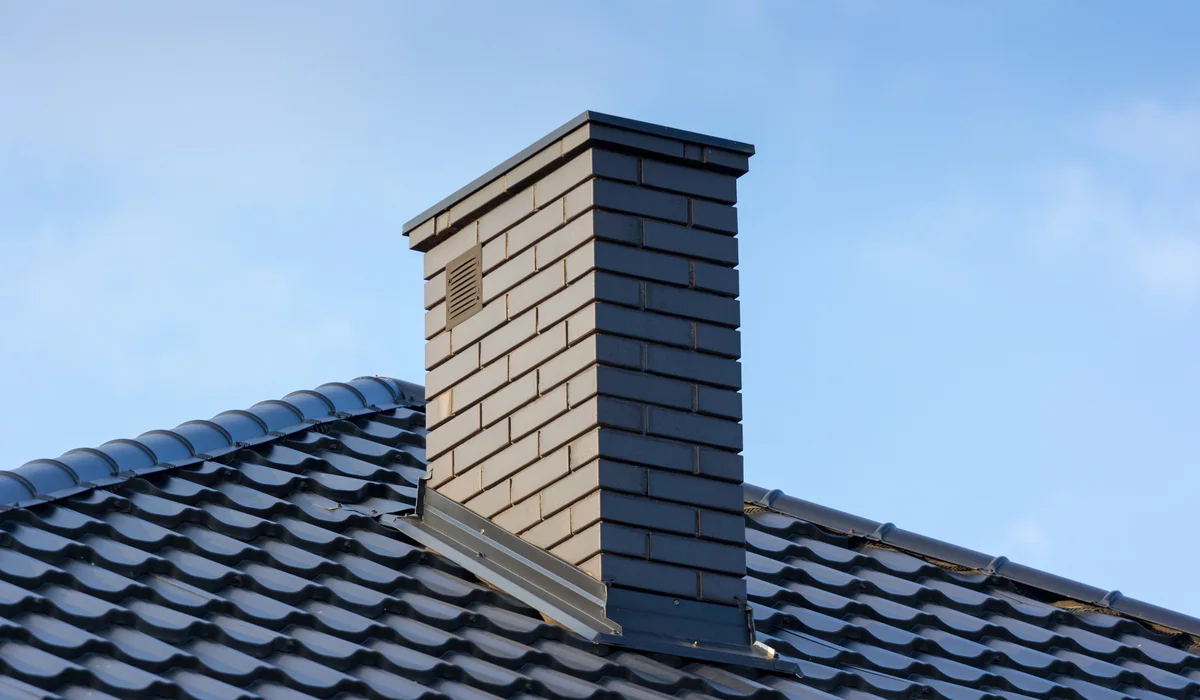
The short version
- The crown sheds water off the top of the chimney; the cap covers the flue opening. Most chimneys need both working.
- Warning signs: cracking in the crown, rust on the cap, water in the flue or firebox, debris in the flue, and animals getting in.
- A rain cap keeps out rain, debris and animals, and a spark arrestor stops embers escaping onto the roof.
- Fix the crown before fitting a cap. A cracked crown is the biggest cause of water getting into a chimney.
- Check the cap after storms and have the chimney inspected once a year, ideally before freeze-thaw season.
Source check this article is cross-checked against CSIA chimney guidance and NFPA 211.
A rain cap and a sound crown protect your chimney from animals, stop sparks from escaping, and keep leaks, moisture, and debris out of the flue. Installing a rain cap before winter matters even more, because it helps protect the chimney from water damage and helps stop smoke from coming back into the home. Many homes in Arlington Heights have chimneys, especially in Old Town, so it is worth considering whether yours has a working rain cap.
Why rain cap and crown installation matters for Arlington Heights homes
A chimney cap and crown protect your flue from moisture that can lead to mold. They also cut down on the debris, fallen leaves, and animals that end up in the flue between cleanings. The weather in Arlington Heights and neighboring areas makes it important to have a properly installed rain cap in place on time.
What are the common signs of chimney crown and cap damage?
Below are some of the signs of chimney cap and crown damage.
Concrete cracking
Most chimney crowns are poured concrete or mortar. Once a crown is damaged, it starts absorbing moisture, which leads to further cracking. Our guide to a cracked chimney crown covers how that damage progresses.
Rust
A cap made of galvanized or painted steel will rust with long exposure to moisture. Rust weakens the cap, and rust streaks running down the crown are a sign the cap is failing.
Water leak
Seeing water in the flue or firebox is the biggest sign that your chimney cap and crown need to be repaired as soon as possible.
Debris
A build-up of debris, sticks, paper, and leaves in the chimney flue is a sign the cap is damaged.
Animal entry
If you see squirrels, birds, or other animals in the chimney flue, get an inspection done as soon as possible. It means the cap is damaged badly enough that an animal can get through it.
The most important thing to do alongside chimney crown repair is to install a rain cap.
What are the benefits of installing a rain cap?
A few benefits of rain cap installation were covered above. Here are the other main ones.
Increasing the lifespan of your chimney
Regular chimney inspections and cleaning help prevent creosote buildup, moisture damage, and early masonry deterioration. Installing a chimney cap also protects the flue from rain, debris, and animals, helping extend the overall lifespan of your chimney.
Improved energy efficiency
A properly installed chimney rain cap can support better draft performance by helping reduce downdrafts. Proper airflow allows smoke and combustion gases to vent more efficiently.
Protection from sparks and embers
Many chimney caps include a spark arrestor that helps stop hot embers escaping the flue. This adds a layer of protection for your roof and nearby combustible materials.
Reduce smoke and downdrafts
A properly sized chimney cap can help manage wind-related downdrafts, letting smoke and gases exit more effectively while keeping your fireplace and chimney operating safely.
What is the process of chimney cap installation?
Make sure the chimney cap you choose has a spark arrestor and proper mesh, and comes with a warranty. The chimney should be inspected first, then the work follows these steps.
Flue measurement and cap selection
The flue is measured so the cap fits properly over it. The next step is choosing a cap made of a material that will not rust or corrode quickly.
Crown fixing and repair
The crown is fixed before the cap goes on: the surface is cleaned and checked, and any missing mortar is filled in. A waterproof sealant is then applied to the crown.
Make sure there is no crown damage left, because a damaged crown is the biggest cause of water getting into a chimney. After all these steps, the rain cap is installed precisely over the flue.
How long does it take to add a rain cap and fix the crown?
Rain cap installation and basic crown repairs are typically a few hours of work when done professionally. If the visit also includes a chimney sweep and cleaning, the time varies with the condition of the chimney.
How to prevent chimney cap and crown damage
Check your chimney cap after storms or strong winds to make sure it is secure. If your chimney does not have a full-coverage cap, consider installing one to help prevent water leaks and debris.
Schedule a professional chimney inspection and cleaning once a year. Burn dry, seasoned hardwood to reduce soot and creosote buildup. A breathable, water-based sealer can also help protect the chimney crown from moisture.
If you notice damage to the chimney cap or crown, get it repaired quickly before the problem gets worse. Delta Chimneys handles chimney cap repair and crown repair across Arlington Heights and the northwest suburbs.
Sources and Standards
- Chimney Safety Institute of America: Inspection and Sweep Standards Chimney Safety Institute of America Industry standards for chimney inspection and the value of certified technicians.
- NFPA 211: Standard for Chimneys, Fireplaces, Vents, and Solid Fuel-Burning Appliances National Fire Protection Association Defines the three chimney inspection levels and the annual inspection standard.
- International Residential Code, Section R1003: Masonry Chimneys International Code Council Code provisions specific to masonry chimney construction.
- Great Lakes Freeze-Thaw Climate Data GLISA, University of Michigan Freeze-thaw cycle data for the Great Lakes region.
Fact-checked against the above sources on 2026-09-16.
Pre-Heating-Season Inspection and Sweep (Aug-Oct)
Chimney work runs on a calendar. This is what matters for a Chicagoland home in the window you are reading this.
- The Annual Chimney Inspection: What It Covers NFPA 211's annual cadence means the inspection belongs before the first fire of the season, not after.
- Why Fall Is the Best Time to Schedule a Chimney Sweep Answers the exact timing question homeowners are searching right now, before appliances go back into daily use.
- Fall Chimney Checklist: Before You Light the First Fire A complete pre-season checklist for everything to confirm before heating season starts.
- Chicagoland Seasonal Chimney Inspection Timing: When to Book Chicagoland-specific timing guidance for when to book, tied to local weather patterns.
- Heating Season Chimney Safety for Chicagoland Confirms the flue is clear and the liner is sound before regular winter use begins.
- Holiday Fireplace Safety: Before You Light the Fire What to check before lighting the fire for holiday gatherings, when the fireplace sees its heaviest seasonal use.
- Carbon Monoxide and Your Chimney Carbon monoxide risk rises with active heating-season use; this covers how a chimney problem creates that risk.
- Chimney Fire: Warning Signs and Prevention Creosote accumulated over active winter use is the direct driver of chimney fire risk.
- Freeze-Thaw Damage: What January Does to Your Chimney Where winter's freeze-thaw cycling shows up as visible masonry damage each spring.
- Post-Winter Chimney Checklist for Chicagoland A structured checklist for what to look at once the freeze-thaw season has passed.
- Spring Chimney Inspection: Reading Winter's Damage The seasonal inspection built specifically around catching winter's damage before it worsens.
- Cracked Chimney Crown: Causes and Repair The crown takes the most direct freeze-thaw damage of any component; what a crack there actually means.
- Why Spring Is the Right Time to Rebuild a Chimney Mortar needs consistently warm temperatures to cure properly, which is why spring opens the rebuild season.
- Summer Is the Best Time for Major Chimney Work The case for why summer, not winter, is when masonry work should actually be scheduled.
- Chimney Masonry Repair: Brick, Mortar, and Crown The comprehensive masonry repair guide for the season when that work can actually be done correctly.
- Tuckpointing a Chimney: When Mortar Joints Fail Tuckpointing mortar needs the same curing conditions as a full rebuild, which is why it's a warm-season job too.
Once installation basics are covered, replacement is the decision most readers in this silo are actually facing.
Chimney Cap Repair FAQs
01 Do I need a chimney cap in Arlington Heights, IL?
02 What is the difference between a chimney cap and a chimney crown?
03 How long does a chimney cap last in Arlington Heights?
04 Can a chimney cap stop rain from entering my chimney?
05 Should I install a chimney cap myself or hire a professional?
More Chimney Cap Repair Guides
Chimney Cap Installation: Keeping Water and Animals Out
Chimney cap installation protects your flue from rain, animals, and debris. Learn how caps work, how to select the right type, and what installation involves.
Read article Chimney RepairWhy a Missing Chimney Cap Costs You
A missing chimney cap lets in rain, animals, and debris. Learn what chimney cap replacement involves and why skipping it gets expensive fast.
Read articleSchedule Before the Season Fills
Chicagoland inspection and repair slots fill before the heating-season rush.